
Britni de la Cretaz

Bio
Britni de la Cretaz Articles

Don’t read the comments! Is a common refrain in almost anything on the Internet, and with good reason. And when it comes to breastfeeding, the comments make it clear that we have a long way to go — even among feminists.
Read...
"Go ahead, call me a bitch. It’s one of the nicest things you could say about me."
Read...


There’s nothing wrong with moms who decide to go for a stereotypical “mom cut.” If they like it, or if it makes their lives easier, that’s fantastic. Personally, my hair after I had children remained just as important to me as it was before I had them. My hair has always been a huge part of my identity — candy-colored, funky, and so totally me.
Read...

My husband never, ever drives thru a fast food restaurant because it’s easier, and instead makes it back to the house and gives our daughter something that WILL grow mold if left out too long, unlike the McDonald’s hamburger I would have let her have.
Read...

While this is not about my or White people’s feelings, this is about White people’s violence. As White people in this country, it’s on us to dismantle White supremacy. Both the problem and the solution lie with us. This involves talking to other White people in our communities, having hard and uncomfortable conversations, examining and confronting our own privilege.
Read...

History books are full of white men Doing Things. White men are the default, it's through their lens that we view history. It's why when a white man is the first person to do something, they're just the "first person to do something," but we have to specify the "first woman" or "first African American" to do that same thing. Men are people, women are women.
Read...
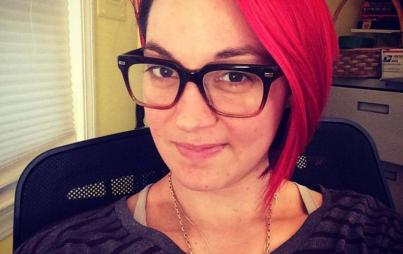
My hair makes me happy and I dye it for my own enjoyment— not for yours. I mean, that’s cool if you happen to like it, too, but you don’t have to tell me about it. You can keep it to yourself, write it in your dream journal, take it to your grave. I don’t care what you do with it, I just know that I don’t need to know about it.
Read...
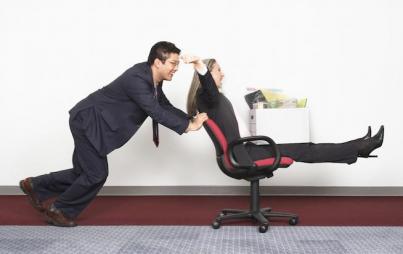
Unemployment can be stressful and terrifying no matter what. However, I learned a lot in each of these situations and, while hard, there are some bright spots in the aftermath of losing a job.
Read...
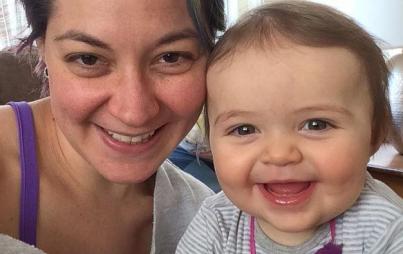
In part, I didn't want kids because I knew that I couldn't even take care of myself, let alone someone else.
Read...