
Melissa A. Fabello

Bio
Melissa A. Fabello Articles

The list on the board filled up with words like “ambitious,” “curious,” “intelligent,” and “dedicated.” And as my professor was wrapping up the activity, I sighed and raised my hand.
Read...


I was jealous of the dog. “That dog gets to be so thin,” I tried to explain, tearfully, to my partner, “and it doesn’t even have to try. I’ll never be that thin.”
Read...

You. Are. Amazing. And I mean that. I want to commend you for all of the hard work that you’re doing to put yourself in a place that feels healthy and happy. And even if you feel like you’re not doing much, you’re clearly doing something by reading this in the first place.
Read...

So you’re on a diet, and you’re really pumped about it. You truly, honestly believe that you’re—say—“getting your body back” post-partum (that’s a harmful concept) or improving your fitness a la the latest technological tracking device (that’s also a harmful concept). And while I think we need to throw a lot of these ideas in the trash, I’m also understanding of how diet culture makes you believe that these are good things – things, in fact, to brag about.
Read...

5. Nervous Breakdowns Are Probably Inevitable. No one likes falling apart. It’s embarrassing and messy and a sign that you’ve gone too far and need to reel yourself back in. And if you practice self-care both as prevention and intervention, you might be able to keep these crying fits at bay for a long time — but eventually, school stress catches up with you.
Read...

Body neutrality is having hot sex with your partner and never overthinking the way that your ass smacks against their thighs. It’s not being embarrassed that you have fat on your body that is affected both by gravity and inertia, nor necessarily feeling sexier because you have fat on your body that is affected both by gravity and inertia. It’s enjoying that moment of intimacy, being comfortable in your body.
Read...

It might take years before you can hold a cupcake in your hand and not nearly have a panic attack.
Read...
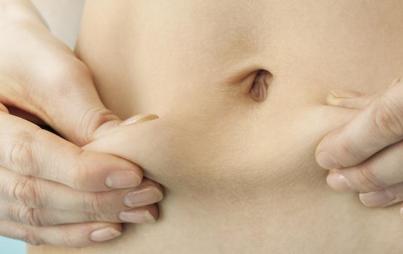
"Just like sitting with your negative feelings, looking at the body that you’re unhappy with puts you in the position of being the boss of your situation. It’s a way of reminding the voices in your head that you are the one in charge here — and that the smallest shift in thought or intent can turn your whole day around."
Read...

". . . guess what! Despite, again, what the media tells you, breasts come in a huge variety of shapes! Most natural breasts are affected by gravity and seem to sag a little bit, rather than perking up like they might in a bra. Most nipples fall downward (so, ya know, potential babies can reach them), rather than face forward."
Read...