
Christine Schoenwald
Christine Schoenwald Articles
Now I know that just because I’m fat doesn’t mean that I don’t have moments of fatphobia. My own fatphobia has taught me a lot.
Read...

There isn't a competition between transgender women and cisgender women on who's the better woman. How you express your womanhood is up to you, as is whether or not you want to express it. It'd be better to widen the definition of a woman rather than limit it.
Read...


My brother, Frederick, was eight when I was born. I don't know if he was happy to have a sister or resented me being born, as it was difficult to get any kind of reading on what he was thinking or feeling. I never felt any love or affection from him — unless his way of showing it was through emotional and physical abuse.
Read...
A woman’s sexuality, especially a fat woman’s sexuality makes some people feel extremely uncomfortable, so they try to erase fat sexuality.
Read...
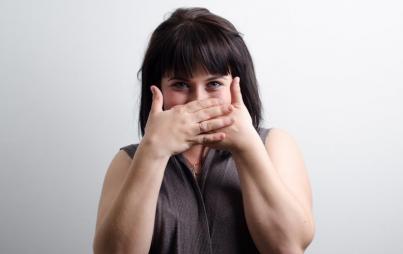
I’m fat, but I have no fat friends. It’s not that all my friends are height-weight appropriate — it’s just that I can’t describe them as fat.
Read...

Astrologers believe that the positions of the sun, moon, and planets at the time of your birth have a direct influence on your character — so why shouldn't they also have an influence on what you drink when it's time for wine?
Read...

One of the reasons that narcissists are so troubling is their lack of compassion and awareness regarding how their behavior affects other people.
Read...
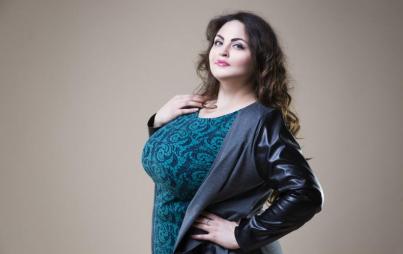
We all want someone who will appreciate our curves, voluptuousness, strength, and beauty without fetishizing us. I’m fat, I’m fabulous, but I’m not your fetish.
Read...

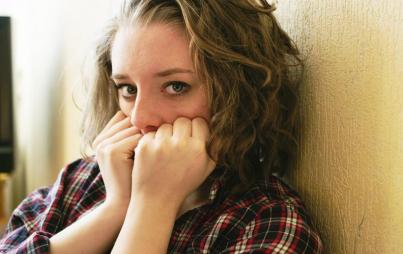
Anxiety isn't something people choose to experience — it's connected with how their brains see the world.
A new study conducted by Offir Laufer, David Israeli and Rony Paz (of the Weizmann Institute of Science in Israel) has found that individuals with anxiety see the world differently, and this difference is because of a variance in their brains.
Read...