
Matt Joseph Diaz
Matt Joseph Diaz Articles

Success is an uphill climb, but it’s rarely a directly uphill climb. There are cliffsides and plateaus, there are points where you have to adapt and change in order to make things work. These are not steps backwards, nor are they indicative of your failure—they’re simply a byproduct of life. More often than not, this ability to work with the circumstances in order to get by will take you farther than certain “skills” ever could.
Read...


I’m uprooting my life to try something new and different in another city in another state. In the time leading up to the actual move, I’ve found that a bunch of weird fucking shit (for lack of a better term) has showed up out of nowhere.
Read...

First of all, befriending someone and becoming their confidant while secretly yearning to get in their pants isn’t just fucking creepy, it’s manipulative. The girls I “befriended” opened up to and trusted me because I was patient, sensitive, and seemed to have their best interests in mind.
Read...

Do you remember that incredibly awkward feeling you’d get during childhood when you went over to a friend’s house for dinner and their parents started arguing? This was like that — only your dick is out and you got caught having sex with one of the parents.
Read...

We met Matt a year ago when he showed us his post weight-loss body.
Read...

I feel equipped to talk about the intricacies of the body positivity movement; for with all its beauty and empowerment, there are aspects of body positivity that try to control how others view and treat their bodies. Though I understand the intention, behavior like this flies in the face of the ideals the movement is trying to create. Put simply: it's time we stop trying to police body positivity.
Read...
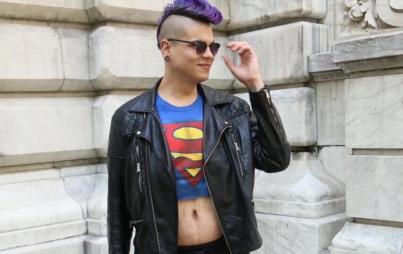
Of course, summertime also seems to come hand-in-hand with partial nudity. Wearing next to nothing out in public is just as important a part of summer as barbecues and trips to the beach. That is, unless you’re anything outside the socially acceptable body types. Then it suddenly becomes an opportunity for people to dole out their own specific kind of “fashion justice.”
Read...

I’m recovering from some pretty major surgery that has made it really uncomfortable to move around. In addition, because of the painkillers and antibiotics, obviously, I’m not allowed to drink or basically do anything I enjoy anymore.
Read...
I was definitely what you might consider a “late bloomer.” When I was younger, I was exceedingly shy around women and insecure about my weight, and I put no effort into my appearance whatsoever. I didn’t have a decent haircut until 2013, and even that’s debatable.
Read...
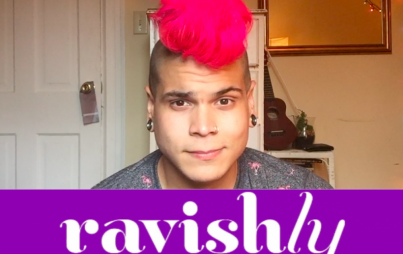
Wondering how you can be be ready for the beach? Wonder no more! Matt shares three steps to help you get your body positivity on!
Read...